November 20, 2026
In the pursuit of maintaining a vehicle's aesthetic appeal and monetary value, exterior surface defense has emerged as a crucial investment for modern car owners. Everyday driving exposes factory clear coat to flying gravel, insect acids, harsh ultraviolet radiation, road salt, and abrasive wash brushes that gradually dull showroom gloss and erode resale value. Modern protective solutions provide a cost-effective way to mitigate the damage caused by stone chips and environmental fallout before they lead to expensive bodywork and repainting. Exploring the leading options designed to shield your vehicle highlights their protective attributes, installation steps, upkeep routines, and long-term financial benefits.
Applying Clear Paint Protection Film
Paint Protection Film (PPF) is a transparent, heavy-duty polyurethane barrier applied directly over a vehicle's exterior panels to guard against high-velocity stone chips, road debris, and minor parking-lot scrapes without altering the factory paint color. Originally engineered for military helicopter rotor blades, modern automotive films feature elastomeric self-healing topcoats where light swirl marks and surface scuffs disappear when warmed by sunlight or warm water.
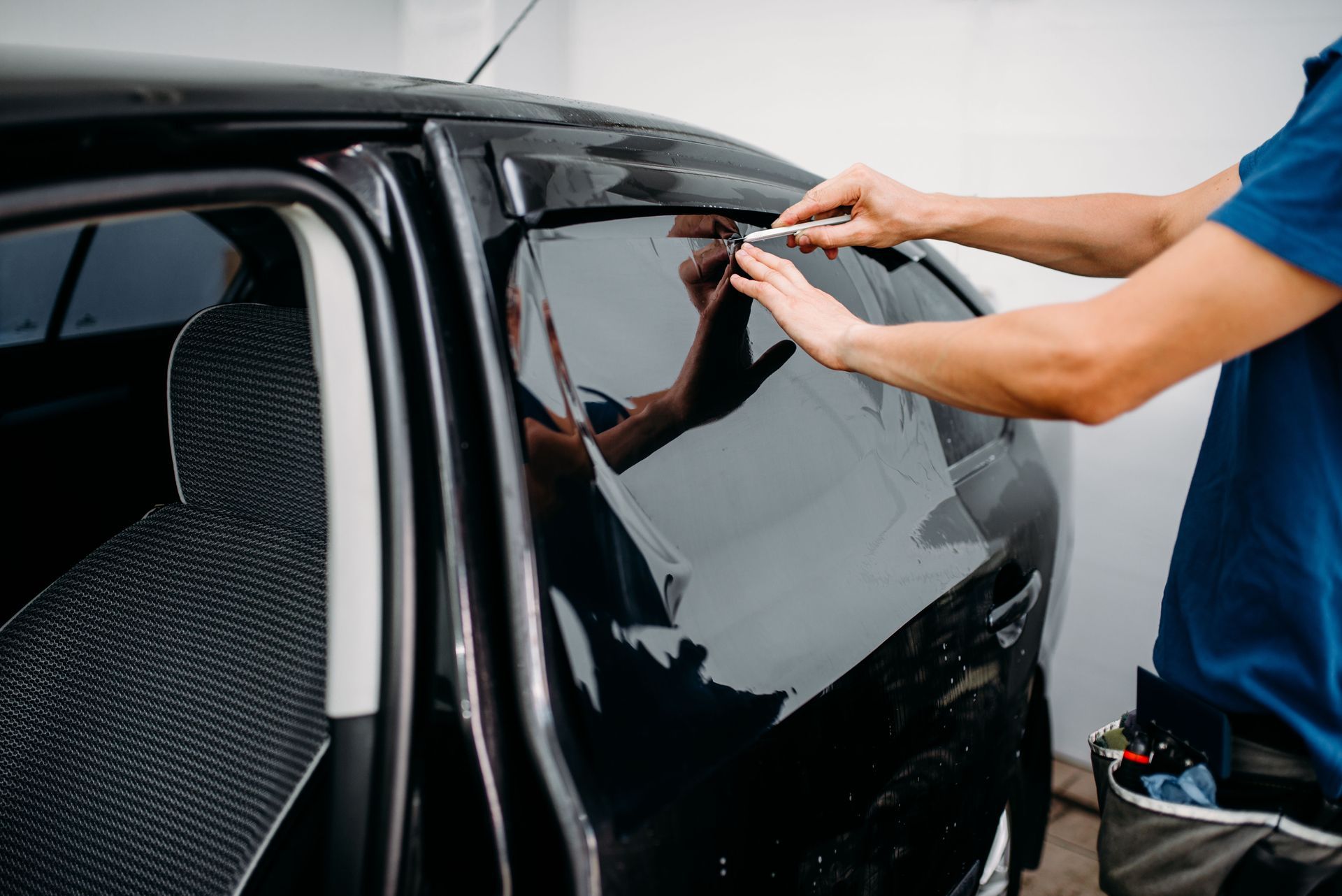
According to XPEL Inc., a renowned developer in protective films, 91% of dealers advise full coverage, ensuring optimal protection across the vehicle's body rather than leaving doors and rear quarter panels exposed. Achieving a virtually invisible finish requires digital plotter cutting tailored to exact vehicle contours, thorough clay-bar decontamination, and wrapped panel edges so dirt never collects along seams. While the upfront investment is higher than basic coatings, many insurers recognize its value, and scheduling professional auto paint protection services preserves factory originality while saving thousands in future bumper and hood repaints.
Bonding Hydrophobic Ceramic Coatings
Ceramic coating is a liquid silicon-dioxide polymer that chemically cross-links with factory clear coat to create a slick, semi-permanent hydrophobic shield against UV oxidation, bird droppings, tree sap, road grime, and acidic rain. Unlike traditional carnauba waxes that melt away under summer heat or wash off after a few trips through the car wash, professional-grade ceramic coatings cure into a hard, glossy shell that lasts for several years.
Although ceramic coatings are measured in microns and cannot absorb heavy rock strikes the way thick urethane film does, their chemical resistance and slickness dramatically reduce micro-marring and wash-induced swirl marks. Proper installation demands meticulous multi-stage washing, iron removal, machine paint correction to remove existing swirls, and an undisturbed 24-to-48-hour curing window away from moisture. For drivers seeking maximum shine alongside impact defense, technicians offering auto paint protection services routinely layer hydrophobic ceramic coatings directly on top of clear urethane film.
Wrapping Exteriors in Custom Vinyl
Vinyl wrapping encases a vehicle's painted body panels in a conformable, removable PVC polymer film that delivers both dramatic aesthetic customization and dependable physical defense against minor abrasions, bug splatter, and sun fading. Available in hundreds of colors and textures, including high-gloss, satin, stealth matte, brushed metallic, and color-shifting finishes, vinyl wraps allow owners to transform a vehicle's appearance completely without permanent respraying. Because vinyl sheets are noticeably thicker than liquid coatings, they provide solid everyday protection against light scratches while costing less than full-body urethane film.
Another major advantage of vinyl wrapping is reversibility: when properly installed and maintained, a quality wrap can be safely heated and peeled away years later to reveal untouched factory paint underneath, protecting trade-in value. Caring for a wrapped vehicle simply involves regular hand washing with mild pH-neutral soap, soft microfiber mitts, and prompt removal of bird droppings, while avoiding stiff brushes or harsh solvent cleaners. Drivers comparing custom styling options against long-term durability frequently consult auto paint protection services to combine full-body vinyl wraps with clear impact film on vulnerable front bumpers and rocker panels.
Spraying Do-It-Yourself Protection Kits
DIY spray protection kits offer an approachable, budget-friendly alternative for hands-on car owners who enjoy weekend garage projects and want customizable surface defense without paying professional installation labor fees. Sold in aerosol cans or HVLP sprayable gallon systems, these liquid elastomeric formulas apply smoothly over clean factory paint and dry over 24 to 48 hours into a peelable, transparent barrier. Once cured, the flexible film absorbs light road rash, winter salt spray, and bug impacts, and it can be peeled off cleanly in sheets whenever the owner wants to refresh the finish.
Spray-on protection shines in its versatility, allowing drivers to build thicker multi-coat coverage specifically on high-strike zones such as lower rocker panels, wheel arches, front splitters, and rear luggage ledges. However, achieving a smooth, orange-peel-free finish requires careful masking, thorough surface degreasing, dust-free indoor workspace conditions, and strict adherence to flash-time intervals between coats. For budget-conscious enthusiasts, spray kits serve as a practical entry-level shield before stepping up to full auto paint protection services on newer or higher-value vehicles.
Installing Removable Front-End Car Bras
A car bra, or front-end protective mask, is a tailored cover made from heavy-duty vinyl with a soft, non-abrasive fleece backing that attaches around the front hood, grille, and bumper using recessed straps and fender-well clips. Designed specifically to absorb high-speed gravel, sand, and insect impacts during long highway commutes or cross-country road trips, a front-end mask creates a thick physical buffer over the areas most vulnerable to stone chips. Because it requires no permanent adhesives or curing time, owners can install or remove it in minutes as driving conditions change.
Despite its low upfront cost and targeted front-end defense, a traditional car bra leaves doors, mirrors, fenders, and rear quarter panels completely unprotected and noticeably alters the vehicle's factory front-end styling. Owners must also remove, wash, and thoroughly dry both the mask and the underlying hood after rainstorms so trapped road grit and moisture do not abrade or cloud the clear coat. Many highway commuters start with a removable mask for immediate road-trip protection before eventually upgrading to seamless auto paint protection services for invisible, maintenance-free coverage.
Layering Advanced Waxes and Sealants
Advanced carnauba waxes and synthetic polymer sealants bond to automotive clear coat to deepen surface gloss while repelling water, road grime, and minor environmental contaminants. Natural Brazilian carnauba wax delivers a warm, liquid-like shine prized by classic car enthusiasts, though its organic composition typically requires reapplication every four to eight weeks. Synthetic paint sealants, engineered from durable cross-linking polymers, form a slicker, longer-lasting barrier that resists high temperatures and detergent washes for four to six months at a time.
While neither wax nor synthetic sealant provides the thick impact absorption of urethane film, both create a sacrificial slick layer that minimizes minor surface scuffing and prevents bird droppings or tree sap from etching directly into clear coat. Applying thin, even coats with soft foam pads in small panels and buffing with clean plush microfiber towels keeps daily drivers looking freshly detailed year-round. Many detailing specialists at auto paint protection services recommend applying synthetic sealants every few months, or layering natural wax over a cured sealant, as an affordable maintenance topper between major exterior treatments.
Selecting the ideal surface defense for your vehicle comes down to balancing daily driving conditions, visual goals, and long-term ownership plans against your upfront budget. High-mileage highway commuters and sports car owners often gain the highest return by pairing self-healing urethane film across front impact zones with hydrophobic ceramic coatings over the remaining panels, whereas budget-minded drivers can achieve strong seasonal protection through synthetic sealants or targeted spray kits. Whichever tier you choose, proactive exterior care prevents costly paint repairs, keeps weekly washing effortless, and preserves maximum resale value for years to come. To safeguard your vehicle's finish with precision installation and lasting results, schedule your appointment with Midwest AutoSkins today.